

Introduction
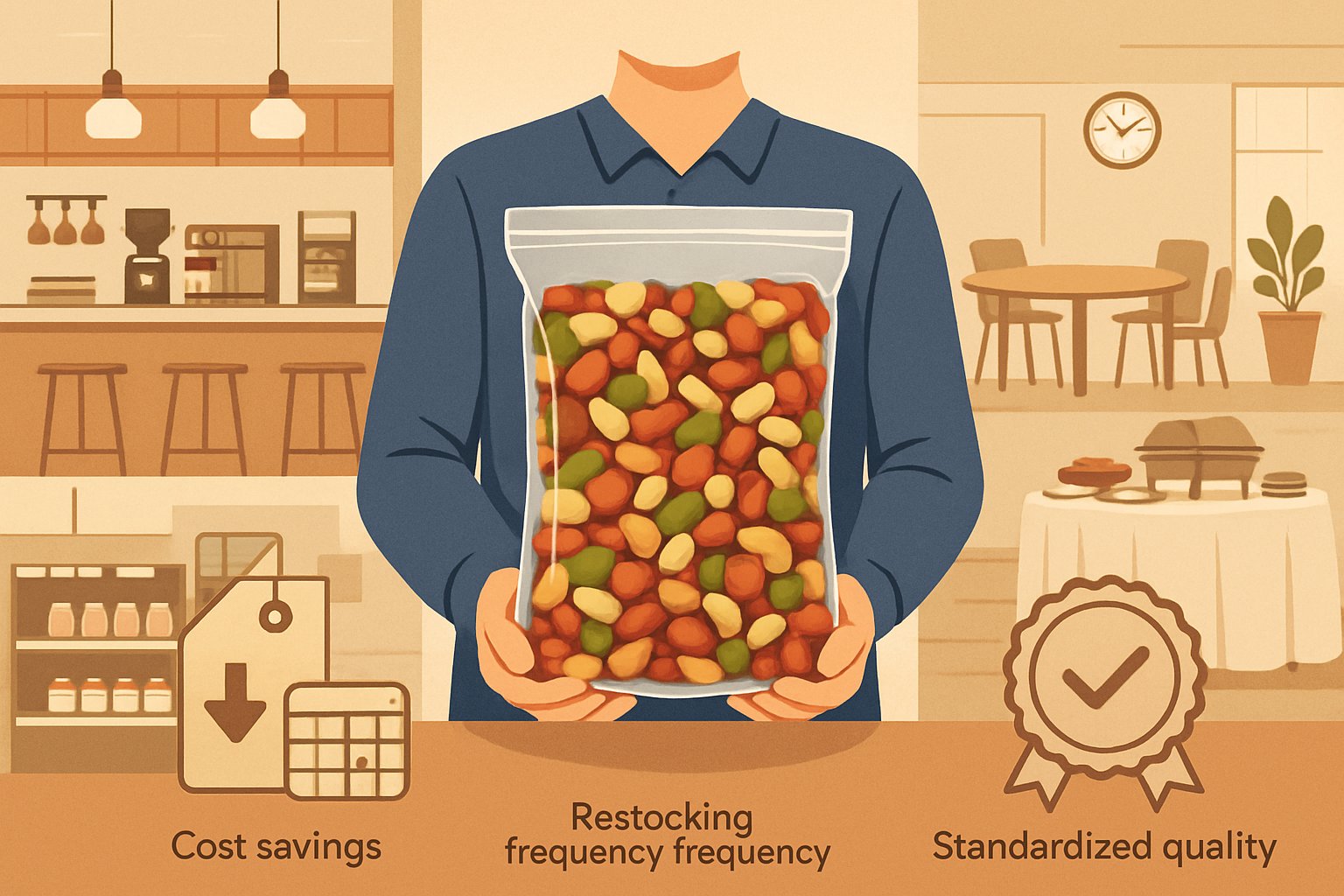
Buying kacang campur in bulk can be a smart way to control cost, reduce restocking frequency, and standardize quality—especially if you manage a café, convenience store, office pantry, or event. In this explained guide, I walk through the essentials in a clear, step-by-step manner so you can make accurate, confident decisions. You will learn what goes into a reliable 5kg wholesale pack, how to compare variants, where bulk savings typically come from, and practical ways to store nuts in Malaysia’s humid climate. If you’re researching options right now, you can start with this overview and use it to compare suppliers, blends, and carton formats without guesswork. For quick navigation, I also include recent 2025 trends, real-world use cases, and an easy table to estimate per‑kg costing before you request quotes. To explore more, you can also begin with kacang campur as your baseline reference.
Mahnaz Food – Mixed Nuts (5kg – Wholesale)
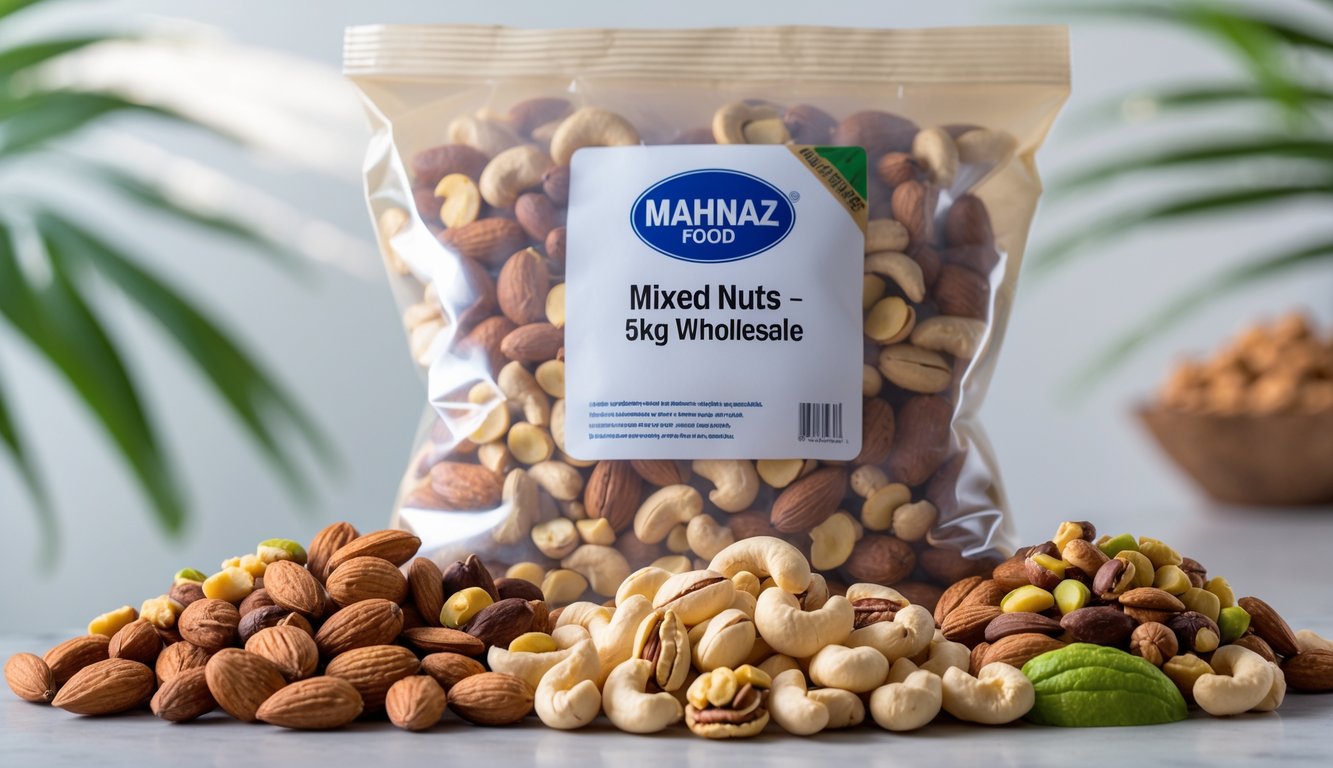
When I evaluate a 5kg wholesale pack, I look for a predictable blend, consistent roasting, and packaging that protects freshness during transport across Malaysia. A supplier like Mahnaz Food typically focuses on standardized mixes that balance taste, nutrition, and shelf stability. If you’re planning for office snacks, retail scoops, or catering, a dependable 5kg carton makes operations smoother because you can pre-portion with minimal waste. Below, I break down what a solid product overview should include, the key benefits and uses for different buyers, and how pricing tiers work so you can calculate margins with accuracy.
Product Overview
A standard 5kg mixed nuts carton should clearly list ingredients, such as almonds, cashews, pistachios, hazelnuts, and peanuts, and whether the blend includes dried fruit. I always check whether the nuts are roasted or raw, salted or unsalted, and whether any seasonings are used. This level of detail helps you select a mix aligned with your customers’ preferences—whether they want a lightly salted, oil-roasted snack or a clean, unsalted blend for baking or meal prep. Additionally, understanding the origin of the nuts can provide insights into quality and sustainability, as certain regions are known for superior produce.
Equally important is the packaging specification. For wholesale, robust inner poly-bags (often two or more small inner packs) can reduce oxygen exposure after opening and make it easier to portion. I also look for a clear best-before date, batch code, and storage guidance. These indicators show that the product is batch-traceable and that the supplier takes quality control seriously. Reliable packaging not only extends shelf life but also ensures that the product arrives in optimal condition, minimizing issues during distribution.
From a nutritional standpoint, mixed nuts generally provide healthy fats, plant protein, and micronutrients like magnesium and vitamin E. If dried fruit is included, the blend can also deliver quick energy and dietary fiber. Because nuts are calorie-dense, portion cues on the label are helpful—both for customers watching intake and for businesses that want predictable serving sizes. Overall, these nutritional benefits make kacang campur a versatile choice for health-conscious consumers and businesses alike.
Benefits and Uses
In my experience, the most common advantage of bulk kacang campur is cost control. Buying 5kg at a time lowers per‑kg pricing compared to small packs, which translates into better margins for cafés, grocers, and vending operators. Bulk also reduces the number of restock cycles and simplifies inventory planning, especially if you operate multiple outlets or manage corporate pantries. This approach not only saves money but also time, allowing you to focus on other aspects of your business.
Operationally, a 5kg carton is easy to portion into 30–40g packs for grab-and-go sales. You can also allocate part of the carton to kitchen use—topping salads, baking, or smoothie bowls—and another part to retail scoops. This kind of split usage helps you maintain a lean SKU list while meeting multiple demands. Furthermore, it enables creative menu development, such as incorporating nuts into signature dishes or seasonal offerings.
From a customer standpoint, mixed nuts appeal to a wide range of diets, including vegetarian and lower-carb eating patterns. If you stock both salted and unsalted variants, you can cater to taste preferences and sodium-conscious buyers. For offices and events, nuts provide a satiating snack that avoids the blood-sugar spikes associated with sweet pastries, supporting better energy throughout the day. This makes them an ideal choice for promoting wellness in professional and social settings.
Bulk Purchasing Options
To plan your budget accurately, I recommend mapping quantity to per‑kg cost before committing. Prices vary by nut content (e.g., higher almond or pistachio ratios usually cost more), grade, and whether dried fruit is included. As of the latest 2025 update, indicative wholesale ranges in Malaysia often fall within specific brackets, which can help in initial planning. For instance, smaller orders might start at a baseline price, while larger volumes offer progressive discounts, making it essential to evaluate your needs carefully.
When comparing offers, it’s wise to consider various tiers based on quantity. A single 5kg carton might range from RM45 to RM65 per kg, suitable for small cafés, offices, or home bakers, serving as the baseline with no discount. For 5 to 9 cartons, prices could drop to RM42 to RM60 per kg, offering about 5 to 10% discount, ideal for multi-outlet retailers or caterers. Larger orders of 10 or more cartons might see prices between RM40 and RM58 per kg, with 10 to 15% discounts, attracting distributors and corporate pantries. These tiers provide a structured way to understand potential savings and scale your purchases accordingly.
Additionally, check whether freight within Peninsular Malaysia is included and whether East Malaysia delivery adds a surcharge. Ask for the exact nut ratio by weight, not only by item count, and confirm roasting style and salt level. For best freshness after opening, request inner-bag counts (for example, 2 × 2.5kg instead of a single 5kg bag) and confirm whether nitrogen flushing or oxygen absorbers are used. These details improve shelf life and reduce shrinkage, especially in humid conditions, ensuring your investment remains viable over time.
Customer Reviews
From aggregated feedback I’ve seen, buyers consistently mention freshness and a balanced roast as key satisfaction drivers. Many appreciate when cashews and almonds are crunchy without being over-roasted, and when dried fruit pieces are evenly distributed rather than clustered. Negative reviews often highlight excessive salt, broken nuts, or oiliness in the bag—signals of either recipe mismatch or storage issues. Addressing these concerns in your selection process can help ensure higher customer satisfaction.
Retailers who pre-pack into 30–50g pouches report that customers prefer blends with visible variety and minimal powdery residue at the bottom. Offices tend to favor unsalted or lightly salted mixes for broader team appeal. Overall, clear labeling and stable flavor profiles make repeat purchases much more likely, which is why standardization matters in wholesale. Positive experiences often lead to loyalty, boosting long-term sales.
Furthermore, some reviews emphasize the importance of packaging integrity, noting how well-sealed cartons prevent spoilage during transit. Buyers also value responsive customer service from suppliers when issues arise. By paying attention to these aspects, you can choose products that not only meet but exceed expectations, fostering positive word-of-mouth and repeat business.
Mixed Nuts Carton Pack 5kg
Carton packs give you predictable volume and an easier way to standardize sales units. If you rotate between three complementary variants, you can satisfy different tastes while simplifying procurement and forecasting. Below, I outline three popular 5kg carton profiles—general Mix Fruits and Nuts, Cranberry-forward Mix, and a Healthy Mix—so you can match them to your audience without overcomplicating inventory. These options cater to diverse preferences, enhancing your product lineup effectively.
Mix Fruits and Nuts Carton Pack 5kg
This generalist blend typically combines almonds, cashews, peanuts, and sometimes pistachios with dried fruit like raisins, sultanas, or diced apricots. The flavor is approachable: nutty base notes with gentle sweetness from fruit. It’s a versatile option if you sell to families, casual snackers, or mixed office teams where preferences vary. This mix often becomes a staple due to its broad appeal and ease of integration into various settings.
From an operations perspective, it works for 30–40g pouches and for topping yogurt or smoothie bowls. The fruit content helps prevent palate fatigue for customers who snack multiple times a week. For labeling, I recommend highlighting portion guidance and any potential allergens, including tree nuts and peanuts. Proper labeling not only complies with regulations but also builds trust with consumers.
If you need a single SKU to cover most needs, this is the all-rounder. You can run seasonal promotions by adding chocolate chips or seeds in-house, keeping the base carton constant while creating limited-time flavors. This flexibility allows for innovation without overhauling your inventory strategy.
Mix Fruits and Nuts Cranberry Carton Pack 5kg
The Cranberry variant puts the spotlight on tart-sweet cranberries, which pair well with roasted cashews and almonds. This profile often feels more vibrant than raisin-heavy mixes, making it a strong choice for customers seeking a brighter flavor. Because cranberries are visually striking, the mix tends to look premium in transparent pouches or jars. This visual appeal can significantly boost sales in retail environments.
In sales, cranberry-forward blends often appeal to café patrons and health-focused retail shoppers. The tangy sweetness complements coffee and tea, and it can double as a bakery ingredient for cookies or bars. Just be aware that cranberry pieces can clump if exposed to humidity—inner-bag packaging and airtight containers help prevent that. Taking these precautions ensures the product maintains its quality over time.
When you portion, aim for a consistent cranberry-to-nut ratio so every pack delivers the expected taste. If you upsell larger pouches, consider including storage tips on the label to preserve texture after opening. Providing such guidance enhances customer satisfaction and encourages repeat purchases.
Healthy Mix Fruits and Nuts Carton Pack 5kg
The Healthy Mix typically emphasizes unsalted or lightly salted nuts, minimal added sugars, and sometimes a higher proportion of raw or air-roasted components. It’s designed for customers who want clean snacking without flavor coatings or excessive seasonings. From a nutrition perspective, it aligns with balanced eating plans and portion-controlled snacking. This focus on health makes it particularly popular in wellness-oriented markets.
For corporate wellness programs or gym cafés, this mix makes it easy to communicate a health-forward message. You can spotlight ingredients like almonds and pistachios, which are known for healthy fats and protein. Including seeds—such as pumpkin or sunflower—adds texture and micronutrients while keeping costs reasonable. These additions enhance the nutritional profile without complicating the blend.
Stocking a Healthy Mix alongside a more indulgent option lets you cover both ends of the spectrum. If you plan to use it in kitchen applications, the unsalted profile is flexible for salads, grain bowls, and baked goods where you want to control sodium and sweetness separately. This versatility supports a wide range of culinary uses, from simple snacks to elaborate recipes.
Our Partners
Reliable kacang campur starts with dependable partners—growers, processors, and packers who maintain quality from harvest to carton. I look for suppliers who demonstrate traceability, robust food safety systems, and clear specifications by batch. For Malaysia, it’s also important to verify that products are Halal compliant and that facilities follow recognized standards for hygiene and hazard control. Building strong partnerships ensures consistent quality and supply chain reliability.
Partner Brands
In selecting partner brands, I prioritize those that disclose origin, processing methods, and certification status. Halal certification recognized in Malaysia (for example, JAKIM recognition) is a core requirement for many buyers. Beyond that, standards like HACCP or ISO 22000 indicate that the producer has documented controls for handling, roasting, and packing. These certifications provide assurance of safety and quality throughout the production process.
Brands that invest in protective packaging—oxygen barriers, resealable inner bags, and controlled-atmosphere techniques—help maintain crunch and flavor. For mixed nuts with fruit, moisture migration control is key; I look for blends engineered to minimize sogginess over time. Transparent documentation helps you compare apples to apples when evaluating offers. This level of detail facilitates informed decision-making for buyers.
When partner brands are open about specifications and test results, you can plan shelf life and storage precisely. That reduces returns, protects your reputation, and simplifies training for your staff. Ultimately, strong partner brands contribute to a positive overall experience for end consumers.
Collaborations and Suppliers
Quality kacang campur is a result of thoughtful sourcing. Almonds and pistachios may originate from the United States, Turkey, or Iran, while cashews often come from Vietnam or India, and raisins from regions like Turkey or South Africa. Each origin has nuances in size, flavor, and price, so a well-designed mix balances taste with cost consistency. Understanding these origins helps in appreciating the global nature of the supply chain.
I value suppliers who provide origin flexibility without compromising quality, especially during seasonal fluctuations. When a harvest is tight, they can adjust the ratio or origin while maintaining the target roast and crunch. That consistency is what your customers notice, even if they don’t see the behind-the-scenes logistics. Reliable suppliers ensure that product quality remains high regardless of external factors.
On the operations side, good partners coordinate delivery windows, offer reasonable MOQs, and support documentation for audits. When you’re scaling, those elements become as important as price per kilogram. Effective collaborations streamline business operations and support growth.
Why Partner with Us
From a buyer’s perspective, partnering works best when you get accuracy at every step: specifications, pricing, and timelines. I emphasize detailed quotes that spell out nut ratios by weight, roast and salt levels, inner-bag counts, and best-before windows. This clarity lets you plan your assortments and label content without surprises. Such transparency builds trust and facilitates smooth transactions.
We also focus on practical support—portioning guidance, recommended storage conditions for Malaysia’s humidity, and packaging suggestions to minimize staleness after opening. With forecast-based procurement, you can stabilize supply and smooth out price spikes across seasons. For multi-outlet operations, synchronized deliveries and consistent batches protect the customer experience across locations. This comprehensive support enhances operational efficiency.
Ultimately, accurate information plus reliable logistics is what keeps your kacang campur offering consistent, profitable, and easy to manage at scale. Partnering with us means gaining a strategic ally in your business endeavors. We commit to delivering value that extends beyond the product itself.
Most Searched For Today
Search trends in 2025 show growing interest in premium nut varieties, bulk-friendly snack solutions, and practical, healthy recipes. Many buyers want clear, step-by-step guidance to implement these ideas immediately. Below are the themes I see most often, with quick tips to help you convert interest into action for your business or household. These trends reflect evolving consumer preferences towards healthier and more convenient options.
Premium Mixed Nuts Varieties
Customers are gravitating toward blends that feature higher proportions of almonds, pistachios, and hazelnuts, often with a light sea-salt finish. Chili-lime, honey-roasted, and smoky paprika seasonings are on the rise for those seeking bolder flavors. If you carry a premium line, consider highlighting single-origin notes or roast profiles to justify the higher price point. This emphasis on premium aspects can differentiate your offerings in a competitive market.
For display, transparent stand-up pouches help showcase the quality of larger nut pieces and vibrant dried fruit. Make sure the mix looks as good as it tastes; visual appeal strongly influences impulse buys. To reduce decision friction, offer two premium choices: one savory and one fruit-forward. Such strategies can enhance retail performance and customer engagement.
In communications, be explicit about nut ratios and whether any sweeteners are used. Customers appreciate accuracy, and it helps reduce returns from unmet expectations. Providing detailed information fosters trust and encourages informed purchases.
Wholesale Snack Options
For offices, vending, and convenience retail, the winning formula is standardized portion packs with clear nutrition labels. Mixed nuts, trail mixes, and seed blends are frequently combined in a simple, two- or three-SKU lineup to streamline ordering. If you add a nut-butter SKU, it expands use cases for breakfast and baking without complicating logistics. This approach simplifies inventory management while meeting diverse needs.
To keep costs predictable, align MOQs with your turnover and use monthly forecasting to time deliveries before you run out. If you serve both Peninsular and East Malaysia, factor in transit times and climate-control needs for stockrooms. Clear date coding and FIFO rotation protect freshness in high-humidity environments. These practices ensure product quality and reduce waste.
When trialing a new flavor, run a limited batch and measure sell-through over two weeks. This step-by-step approach avoids overcommitting to a slow mover and gives you real data to expand the winners. It allows for agile adaptation to market demands.
Healthy Eating Recipes
If you want fast, healthy ideas that showcase kacang campur, these step-by-step options work well at home or in cafés. First, Overnight Oats with Mixed Nuts: combine rolled oats, milk or a plant-based alternative, a spoon of yogurt, and a handful of mixed nuts. Refrigerate overnight; in the morning, add sliced fruit and a drizzle of honey if desired. The nuts provide crunch, healthy fats, and protein for a balanced breakfast. This recipe is simple yet nutritious, perfect for busy mornings.
Second, No-Bake Energy Bars: pulse dates and mixed nuts in a food processor with a pinch of salt and optional cocoa powder. Press the mixture into a lined tray, chill for an hour, and slice into bars. This is a cost-effective way to use bulk nuts and create a clean-ingredient snack for retail or pantry use. These bars are portable and energizing, ideal for on-the-go snacking.
Third, Garden Salad Topper: lightly toast mixed nuts in a dry pan and toss with paprika or herbs. Sprinkle over leafy greens with olive oil and lemon juice. This step-by-step method adds texture and nutrients without heavy dressings, making it a go-to for health-conscious customers. It’s a versatile way to elevate simple meals with minimal effort.
FAQs
Below are answers to common questions I receive about buying, storing, and serving kacang campur in Malaysia. Use them as a quick reference before you finalize your order or set up storage and labeling. These FAQs address key concerns to help you make informed decisions.
What does kacang campur mean, and how is it different from trail mix?
Kacang campur literally means “mixed nuts.” In Malaysia, it often refers to blends centered on nuts—almonds, cashews, peanuts, pistachios—sometimes with dried fruit added. Trail mix is a broader term that can include chocolate, seeds, and other inclusions. The key difference is emphasis: kacang campur tends to be nut-first, whereas trail mix can skew sweeter or include more varied components.
How should I store a 5kg carton in Malaysia’s humidity?
Portion the carton into airtight containers or resealable bags immediately after opening, keeping exposure to air as short as possible. Use smaller inner packs (for example, 500g–1kg portions) so you only open what you need each week. Store in a cool, dry place; if your environment is very humid, keep nuts in the refrigerator or freezer in airtight containers to maintain crunch and flavor. Always return containers to room temperature before opening to avoid condensation.
Are bulk mixed nuts Halal, and what about allergens?
Many wholesale mixed nuts available in Malaysia are Halal certified; check that the certificate is recognized locally (for example, JAKIM recognition). Nuts are common allergens, and blends may contain peanuts and tree nuts with potential cross-contact. Keep clear allergen labels on retail packs and provide notices wherever scoops or self-serve dispensers are used. If you handle other allergens on-site, use separate tools and containers to minimize cross-contamination.
What is the typical shelf life, and how do I check freshness?
Unopened mixed nuts generally keep for several months at ambient conditions, depending on roast, packaging, and storage temperature. After opening, best quality is typically within 4–6 weeks if kept airtight and cool. To check freshness, assess aroma (it should smell nutty, not waxy or paint-like), texture (crunchy, not soft), and taste (clean, without bitter or stale notes). If in doubt, compare with a freshly opened portion from the same batch.